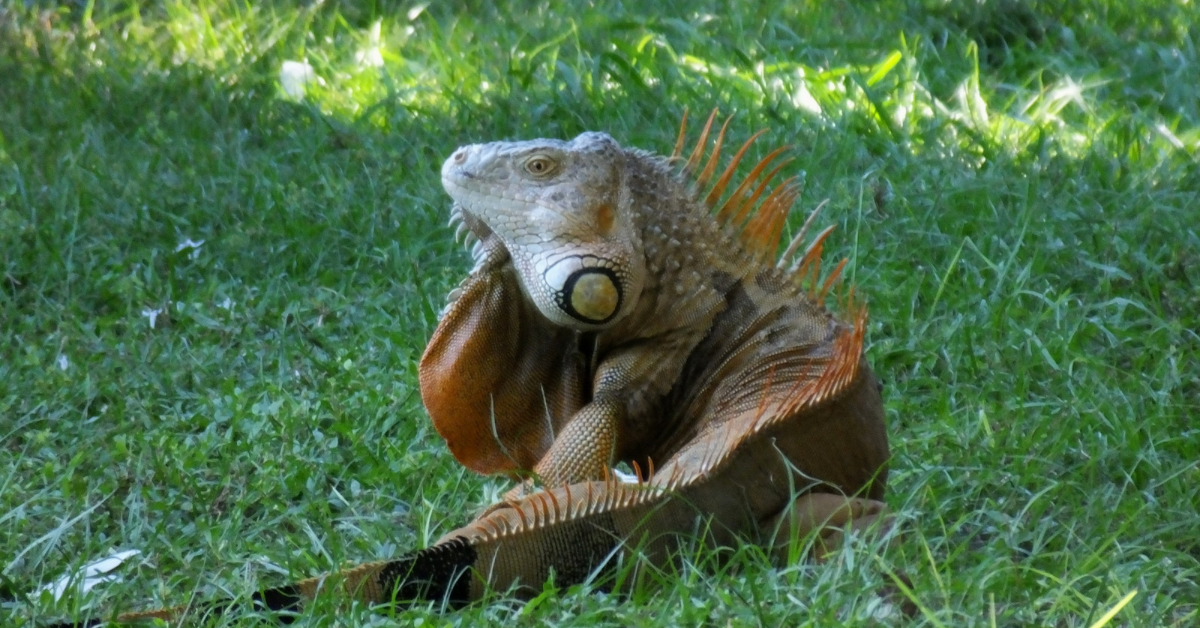
Cemeteries throughout South Florida have seen an influx of green iguanas. If maintaining these grounds wasn’t hard enough, having these invasive reptiles makes the job just as hard. One particular problem is burrowing activities caused by iguanas during the mating season. Ground maintenance crews have grown tired of the extra workload because of iguanas‘ invasive behavior. Illness has also become a concern for cemeteries because of constant defecation throughout common areas. Controlling infestations in cemeteries is vital to stop new infestations and keep cemeteries safe. By stopping iguanas from breeding beforehand, you can help avoid unwanted damages and health risks.
The Scary Truth
Invasive iguanas have no place in cemeteries because of their negative affects. Burrowing is one of the major problems associated with iguanas on cemetery grounds because they can dig burrows under plaques, roads & sidewalks. Plaques have been documented by employees of cemeteries to be cracked and unlevel. This is because of burrows eroding with time. Not only can this be a costly repair or replacement, but it can also lead to bodily harm. With the continued erosion of these burrows, unstable terrain may cause humans to twist their ankles. These locations have an exorbitant amount of traffic on a monthly basis. Roads with eroding issues can lead to unwanted accidents. Filling in these burrows is vital, but it should only be implemented after the burrows are checked. Once eggs are removed from burrows, you can fill in the eroded areas with ballast rock followed by heavy compacting.

Iguana Droppings Cause Health Risks
Droppings from iguanas can become a major problem for cemeteries, especially if the droppings are on Plaques. This causes potential health risks because iguana feces may carry salmonella. Most cemeteries have a good amount of trees which iguanas used to sleep on, sunbathe and to hide from predators. The issue is while they are up there, they will also defecate from these high trees, making a mess below. While our iguana removal team provides iguana control in these locations, we document a large amount of feces on various plaques. This situation can unsettle visitors while visiting their deceased loved ones. Iguana droppings can also stain surfaces because of uric acid within iguana poop. Cars can also be splattered with iguana poop if tree limbs hang over them. It’s important to wash off any fecal matter from iguanas to avoid damage to the paint’s clear coat. By trimming back trees away from roads, plaques and parking lots you can avoid these health risks & damages.
Infestation Prevention
During mating season, iguanas will be very active as they look for mates. According to The Florida Fish And Wildlife Conservation (FWC), iguanas will typically mate during the months of October – November. But throughout the years of iguana pest control services, we have found newly hatched iguanas all year round. It’s not very common, but our iguana removal technicians have documented finding newly hatched iguanas during other months of the year. This is because of our favorable climate in Florida.
Prevention is a vital step to prevent infestations in cemeteries. Iguana egg locating and removal is a necessary service we provide to help stop new iguanas from emerging. Our technicians use an endoscopy camera to locate eggs in burrows to avoid unnecessary blind digging. Once these eggs are located, they are removed and destroyed. Being an invasive species, it is illegal to move iguanas and their eggs. Mating season is also a great time to provide iguana pest control services to complement and avoid burrowing and egg laying.

Deterring Iguanas From Cemeteries
When installing new plants in cemeteries it’s recommended to install plants iguanas, do not eat! This is a vital step to not attract and discourage iguanas from hanging around. When you provide a food source for iguanas, it will cause them to stick around and thrive. There are a large variety of native plants that iguanas do not consume. Here are a couple of plants you can install to keep cemeteries looking beautiful.
- Periwinkle
- Crown Of thorns
- Citrus plants
- Agave
- Mondo grass
- Claudia hedges
- Podocarpus
- Cactus
- Oleander
- Lemongrass
- Chenille
- Cordyline
- Copperleaf
- Ixora, Lilyturf
Plants to avoid to help keep iguanas away from cemeteries and avoid costly replacements.
- Bougainville
- Hibiscus
- Hong Kong orchid
- Orchids
- Pentas
- Crotons
- Impatiens
- Roses
- Peanut grass
By following this list of plants that iguanas eat and do not eat, you can help stop new infestations and keep iguanas away.
Potential Bodily Harm
During the colder months, particularly when temperatures dip to 40°, iguanas will become immobilized. This can be a dangerous time for cemeteries since iguanas can fall from trees. Being cold-blooded reptiles, iguanas require heat to be active. You will find iguanas on warm surfaces throughout cemeteries, they do this to regulate their body temperatures. During the day you will find iguanas roaming around scavenging for resources like food and water, but once the sunsets, they will climb trees to sleep. When temperatures drop to 40° iguanas will drop from these high trees landing on plaques, cars, roads and even humans. Knowing these reptiles can grow to lengths of 6ft long and weigh up to 20 pounds, these falling iguanas can do some damage and might cause bodily harm.
Installing clear wrap around trees will help prevent these dangerous encounters. Our iguana removal technicians wrap trees with a clear wrap making it impossible for iguanas to climb because of the material being smooth and ungraspable. Providing iguana removal services for cemeteries is highly recommended to keep visitors & staff safe!

Humane Iguana Pest Control
To prevent any health risks, damages & bodily harm we recommended implementing humane iguana pest control. Humane Iguana Control has been contracted by various cemeteries to provide iguana removal services. Our method has been proven to stop infestations, which has led to safe environments for visitors, workers and staff. Knowing cemeteries are typically very busy, we provide services at preferred times avoiding encounters with visitors while we perform our work. A Humane approach is necessary to avoid controversy and is required by law because of iguanas being protected by anti cruelty law. We typically use a long pole snare and hand captures to remove iguanas. When iguanas are in high places, we implement an air pcp rifle which is another legal method as long as it is used humanely. Trapping iguanas is another method used to trap iguanas in cemeteries. This allows us to capture iguanas around the clock since our repeating traps can capture many iguanas at once. Another successful method to locate and remove iguanas is a service we are very fond of called “ Night Time Iguana Removal. Removing iguanas while cemeteries are closed has been proven to be a very resourceful service. Whether you choose a day or night time service, our iguana control plans are created with the customer in mind to bring peace of mind.