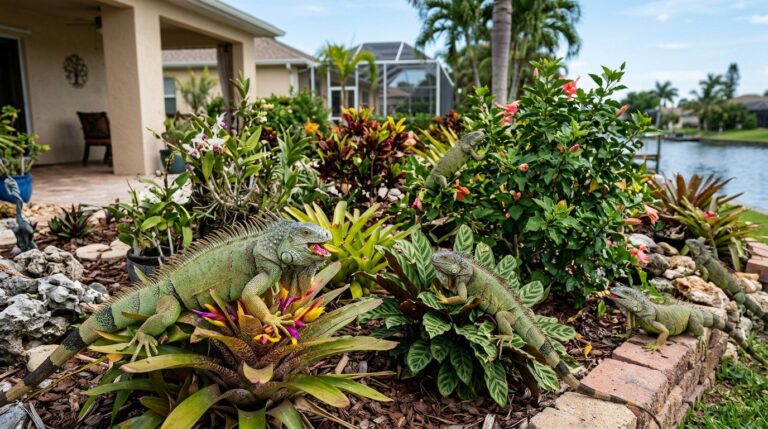
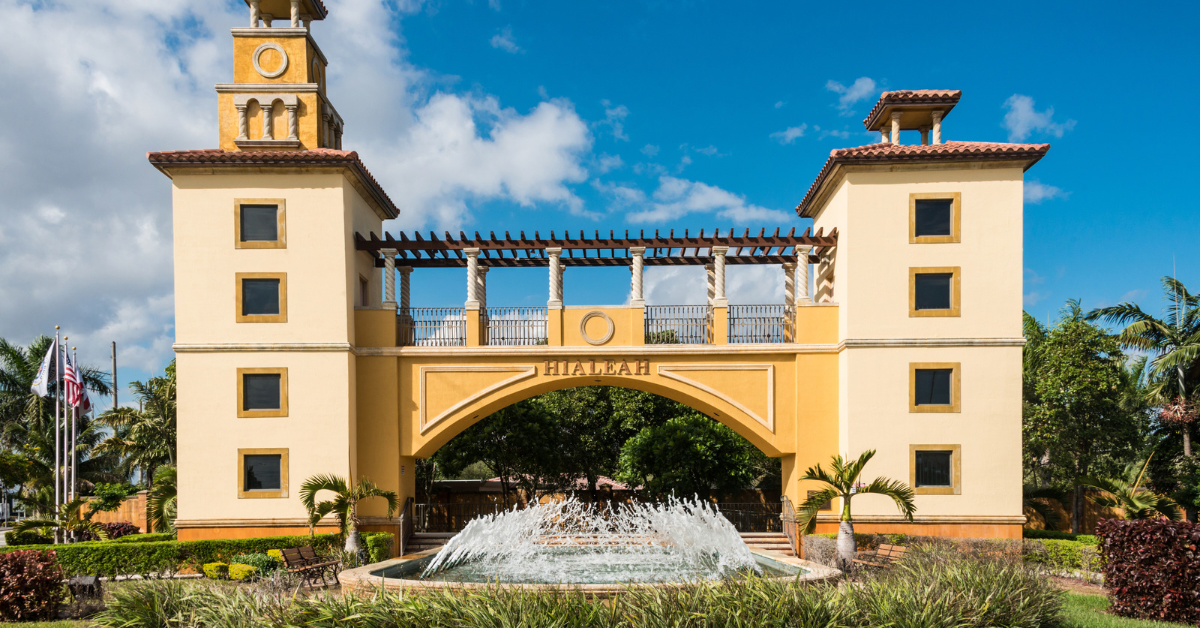
The City Of Hialeah known as “The City Of Progress” is located in Miami Dade County and has seen an influx of iguanas throughout the years. Invasive iguanas have been negatively impacting Hialeah for many years which in return has cost taxpayers lots of money due to damages. Amelia Earhart Park sits on 515 acres and has seen a very large increase of iguana presence throughout the park. Burrows and landscaping damages are just a few issues related to iguanas, but health risks in common areas are a major concern for families and pets. Many businesses & homeowners have also been affected since iguanas can end up at their homes through the city’s canals.
Iguanas And their Damages:
Iguanas were introduced to Hialeah in the 1960’s through the pet trade market. Ever since, iguanas have been making this city their new home. Many iguanas were released into the wild which is when they began to multiply and thrive since our climate is favorable. Iguanas will find a suitable location with plants that they like to feast on which can affect the health of plants and the plants all around appearance. During the breeding season, iguanas will dig holes around your home to lay their eggs. These holes are actually burrows which can reach long lengths up to 70’ long with interconnecting tunnels. Overtime, these burrows will start to erode due to water runoff and will start to collapse. This event can cause structures such as sidewalks, pull decks and infrastructures to crack or even collapse. Also, burrows that erode can cause bodily harm since the terrain can cave in and can cause someone to fall. It’s important to have iguanas removed to avoid these damages to your proeprty.
Infestations Of Iguanas:
Mating season typically happens around October through December, and breeding season usually occurs March through May. Although this is the typical cycle, we have seen newborn iguanas all year round in South Florida. Female iguanas will lay clutches of up to 70 eggs in one year! After 90-120 days, the eggs will begin to hatch and baby iguanas will start to dig themselves out of the burrows. Once the iguanas find their way out, they will begin to search for food and water. If your property has both food and water. They will make this location their new home. Having very little predators, iguanas can continue to thrive and multiply causing an infestation. This infestation will continue to spread to surrounding properties if iguana control measures are not implemented.
Health Problems Due To Iguanas:
There are many possible health related problems when it comes to having iguanas around your property. Iguanas tend to defecate frequently wherever they are established. You may find iguana poop on roofs, in or around swimming pools, playgrounds and common areas! Iguana poop carries a bacteria called salmonella which if accidentally ingested can cause health related issues. It’s essential to clean any presence of iguana poop and sanitize the area to avoid any illnesses. Ticks are another major concern when iguanas are roaming around your home or business. These parasites have the ability to live on iguanas and can spread rapidly. Ticks have the ability to lay 2,000 – 4,000 eggs which can affect humans and pets. Also, ticks are carriers of Lyme disease which can ultimately cause health related issues to humans and pets. It’s recommended to remove iguanas and treat your property for ticks.

Educating Hiahleah Residents:
Many Hialeah locals are not aware that iguanas are indeed invasive and are not originally from Florida. There are actually three species of iguanas in Florida that are non native, that being the Green Iguana, The Mexican Spiny Tail Iguana & the Black Spiny Tail Iguana which are all originally from Central & South America. Iguanas are considered invasive due to impacts to native Wildlife. Many native species are affected negatively by iguanas due to their intrusive behaviors. Burrowing owl, Miami blue butterfly and gopher tortoises are some native species that have been affected negatively by iguanas. Also, some of these native species that are affected by iguanas are endangered. By educating residents in Hialeah about iguanas and their behaviors, we can help control any potential iguana infestation.

Controlling The Iguana Population In Hialeah:
There are many ways to control or even eliminate iguana infestations by implementing iguana control strategies. Once iguanas have been identified on your property, we can begin to use methods of trapping, shooting, and night time iguana removal. Trapping is a great way to remove iguanas since they work 24/7, using a repeating trap can catch multiple iguanas at once. Shooting is a method used when iguanas are in high areas like trees, this method is legal and is recommended by the Florida Fish & Wildlife Conservation. Night time iguana removal services are used on properties that have dense vegetation. Iguanas are active during the day and sleep on trees at night, using our bright led lights we can effectively locate and remove iguanas at night. Locating burrows and removing iguana eggs is another great way to control the iguana population.
Our Final Thought:
Humane Iguana Control is a local family owned iguana removal company that cares about our residents and our native species. Our ultimate goal is to assist residents, schools & HOA’s that are being impacted negatively by iguanas. Removing iguanas will not only help residents of Hiahleah, but it will also help our native species to thrive so we can enjoy them for generations to come. Our team of iguana control specialists are trained to handle any type of iguana related problem efficiently which will bring you peace of mind. If you are located in Hialeah and are in need of iguana removal services, we are the company you can trust in.