
Iguana Egg Removal
Locating And removing Iguana Eggs From Your Property Is Essential To Prevent An Infestation.
Iguanas Can Lay 20-70 Eggs A Year
Iguana Egg Removal
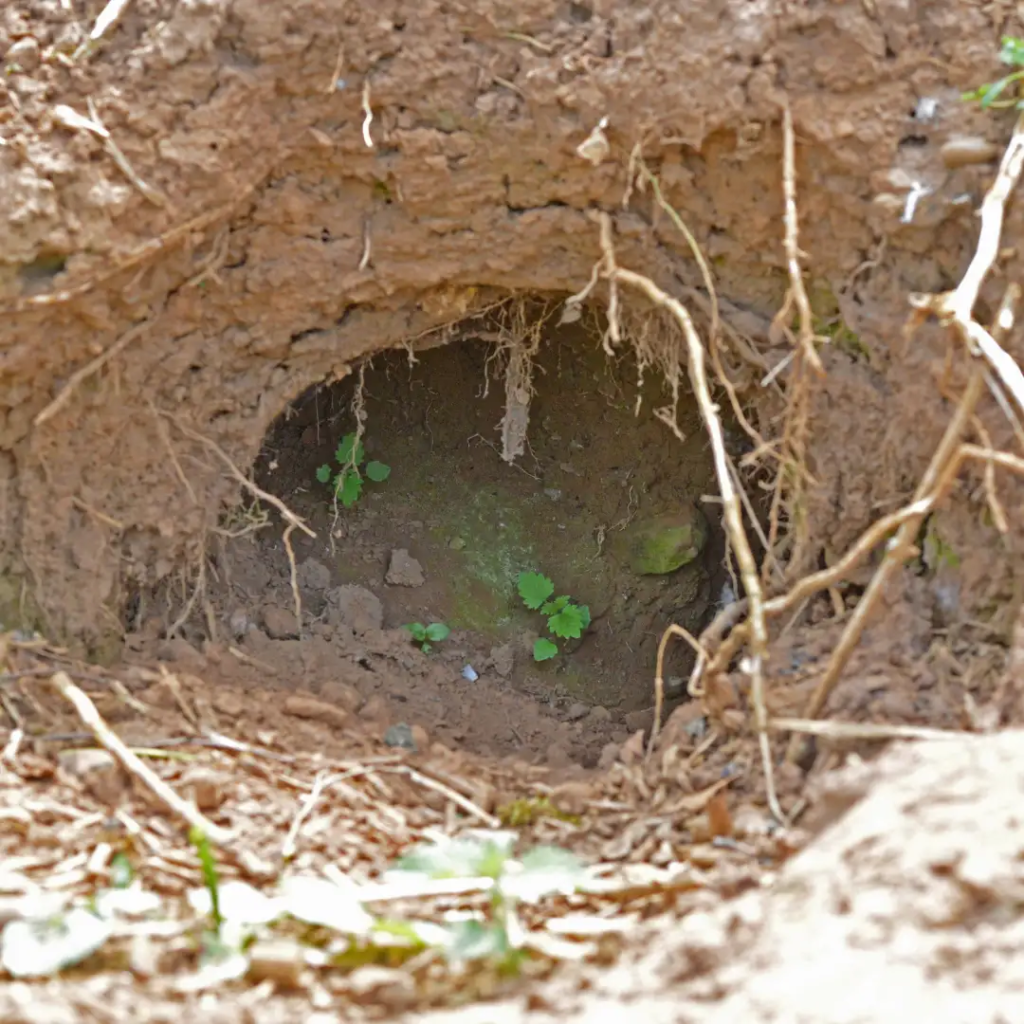
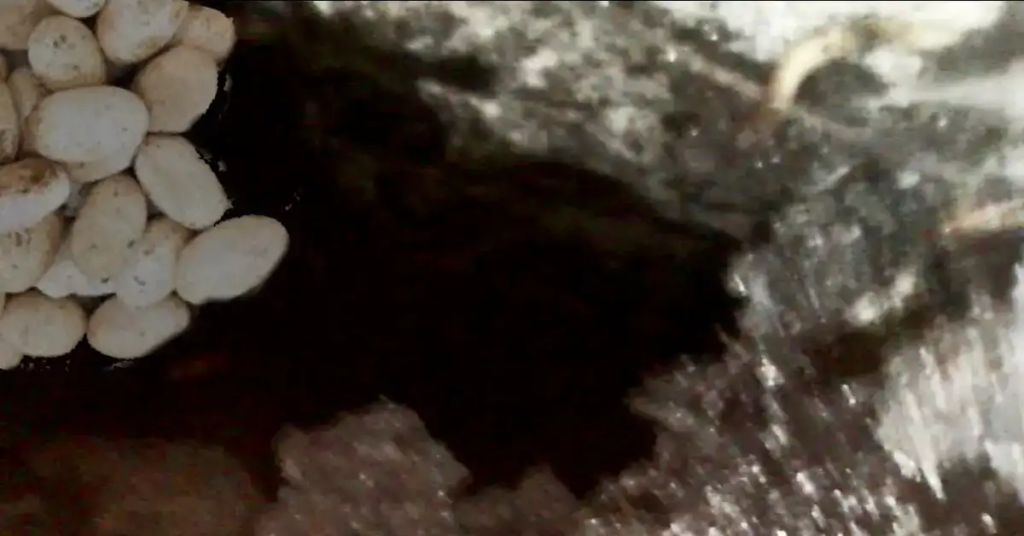
Did you know that iguanas dig burrows that go up to 70’ long to lay 20-70 eggs a year? Now just imagine what that could mean to you. 20 – 70 New iguanas living in your home garden and ready to devour your beautiful landscape. This could cost you way more than you are prepared to face, but we have a solution to protect your home and your wallet.
By implementing our endoscopy strategy, we can determine if a burrow has a new clutch of eggs and can be easily removed without blind digging. Furthermore, we close up burrows to avoid erosion or bodily harm that can result from these burrows.
Iguana Burrow Damages
One of the primary issues with iguanas laying eggs is the creation of burrows, which can result in significant property damage. These burrows serve as nesting sites for iguanas to lay their eggs, and their digging behavior often leads to the destabilization of soil and structures, such as seawalls, retaining walls, and embankments. This can compromise the structural integrity of these features, posing risks to properties and the safety of inhabitants. Additionally, the invasive nature of these burrows can disrupt landscaping and damage gardens, contributing to aesthetic and monetary losses.
Iguana Mating & Breeding Season
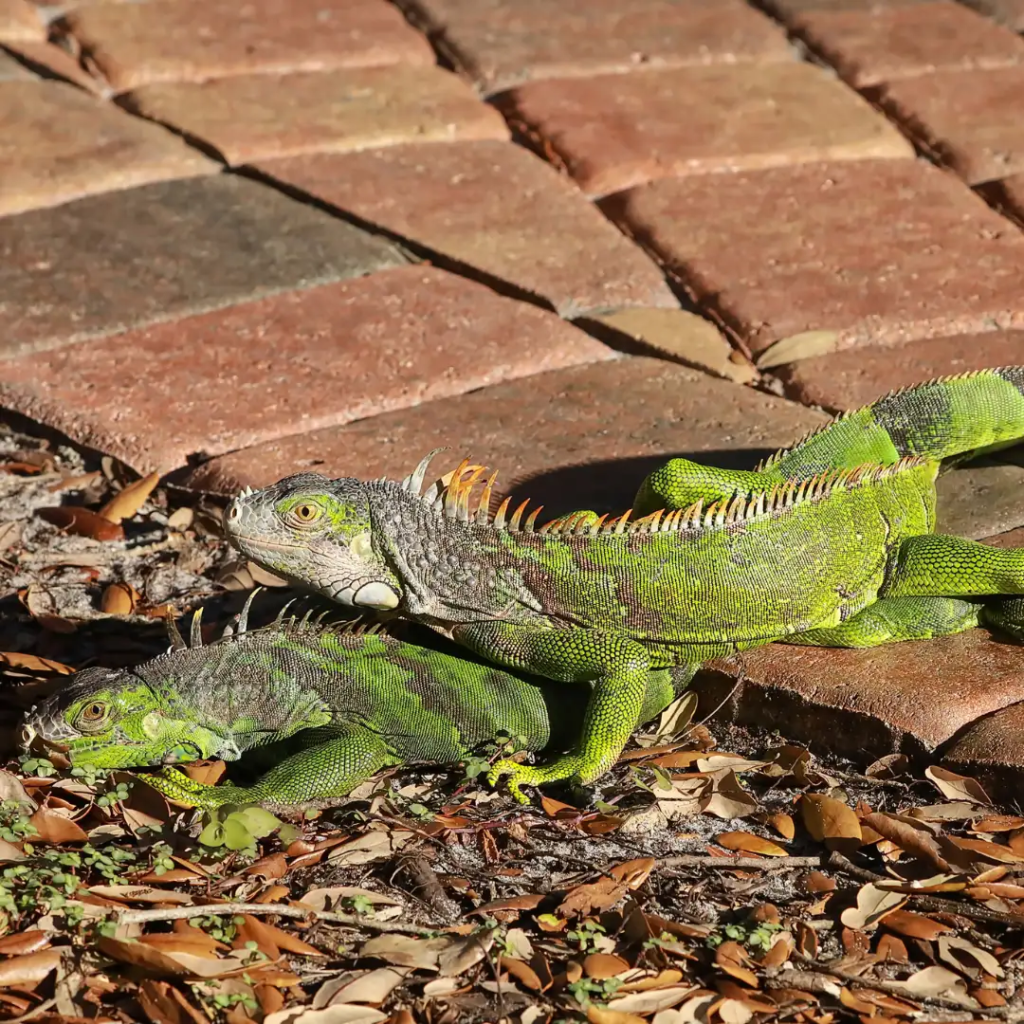
In South Florida, iguanas typically mate and breed in the spring, coinciding with the warmer and more hospitable weather conditions. During this time, male iguanas become more territorial and engage in courtship behaviors to attract females for mating. Female iguanas then dig nests in sandy or soft soil to lay their eggs, often in sunny, well-drained areas. The temperature at this time of year provides the ideal conditions for the incubation and hatching of the eggs. The mating and breeding pattern of iguanas in South Florida is aligned with the warm climate of the region, which helps them reproduce successfully and increase their population.
Potential Infestation
Iguanas reproducing is a worry because they lay a high number of eggs each year, ranging from 20 to 70. High reproduction rates and no natural predators in their new habitats can cause iguanas to quickly multiply and infest the area. Without intervention, this population growth can exacerbate the existing challenges posed by their presence, impacting local biodiversity and ecological balance. It is essential to implement effective management strategies to control their population and minimize negative ecological impacts.
How It Works
To effectively address these problems, our endoscopic iguana egg removal service offers a proactive and humane approach. We can use advanced endoscopy technology to safely find and remove iguana eggs from their nests without hurting the animals or their environment. This non-invasive method ensures that the eggs are successfully removed, mitigating the potential risks associated with hatching and infestation.
Locating & Removing
In their natural habitat, iguanas prefer to dig their burrows in sunny, well-drained areas with loose, sandy soil. These locations provide the ideal conditions for egg incubation, as the warmth of the soil aids in the development of the eggs. The depth of the burrows can vary, but they are typically deep enough to provide protection and insulation for the eggs. This nesting behavior allows the eggs to be sheltered from potential predators and ensures a suitable environment for their successful incubation and hatching.
Our Mission
We understand the intricate challenges posed by iguana nesting behaviors and the consequences of uncontrolled population growth. By providing specialized endoscopic iguana egg removal services, we strive to offer a proactive and effective solution to prevent property damages and address the potential threat of infestation. Our commitment to ethical and humane practices ensures that the delicate balance between wildlife preservation and property protection is maintained, safeguarding the interests of all stakeholders involved.