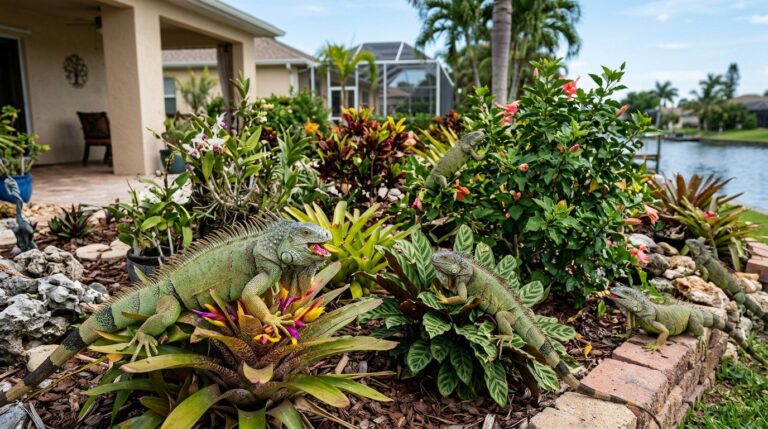
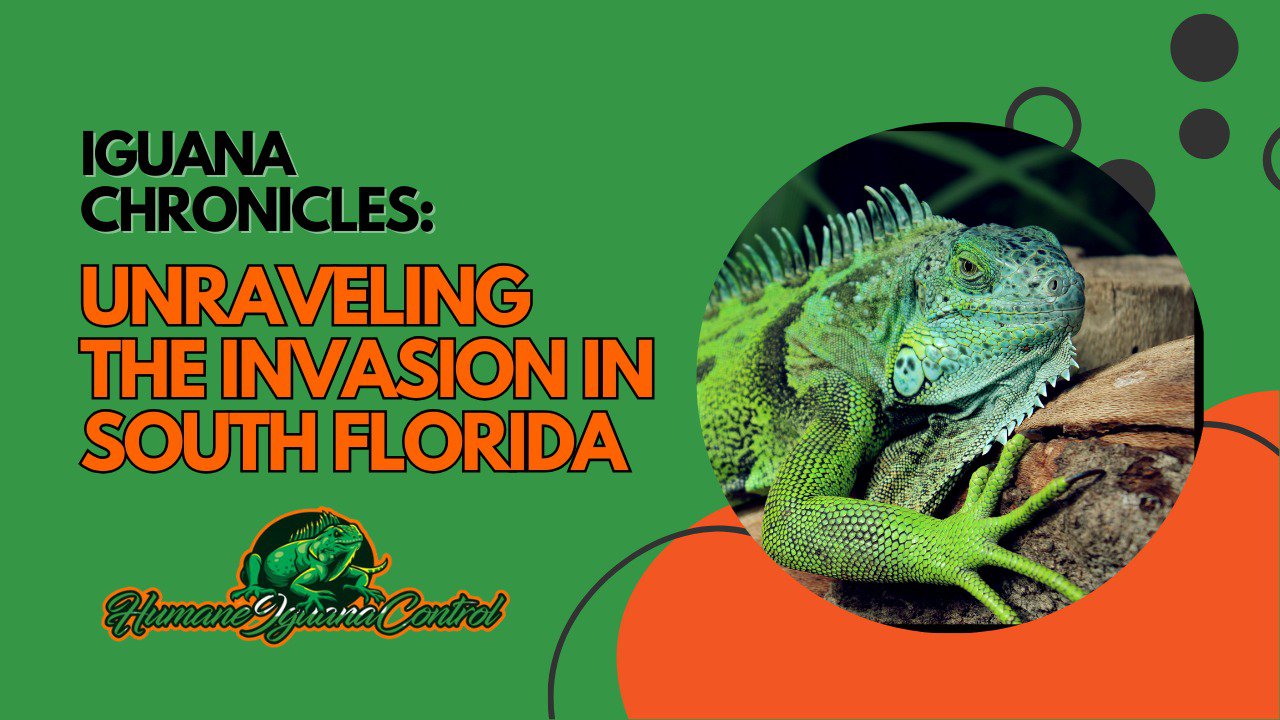
In the vibrant neighborhoods of South Florida, there is an unexpected invader lurking among us. It’s the iguanas, and they are not what you might expect. The Iguana Invasion is underway, and the war to battle invading iguanas is on.
Welcome to The Iguana Chronicles, the brand-new podcast hosted by Michael Ronquillo, owner of Iguana Control. In each episode, listeners are invited into the wild and surprising world of invasive iguanas. The show explores their history, behaviors, impacts, the iguana invasion, and the challenges they present to both residents and businesses.
The first episode kicks off with a fascinating deep dive into how these scaly invaders came to call South Florida home and why their presence has become a growing concern.
The Origins of Florida’s Iguana Invasion
From Pet Trade to Wild Invaders
Many assume iguanas have always been a part of Florida’s lush landscape. However, as Michael explains, that is a widespread misconception. The truth is that iguanas only arrived in Florida in the 1960s, primarily through the exotic pet trade. Pet shops across the state sold tiny and charming iguanas when they were young. But as these reptiles grew larger, often too large for casual pet owners to manage, many were either released into the wild or escaped their enclosures.

South Florida’s warm climate, abundant food sources, and perfect habitats allowed these newcomers not only to survive but also to thrive. Over time, what started as isolated releases snowballed into a full-blown iguana invasion.
The Incident That Changed Everything
Adding fuel to the fire, a reported incident in the 1970s involved an exotic pet dealer allegedly releasing 300 iguanas into the wild. This was the catalyst for the iguana invasion to begin. An ignorance of man and no doubt fueled by greed. With female iguanas capable of laying up to 70 eggs per year, the population exploded rapidly across the region.
How Far Have They Spread?
Initially, iguanas settled along canals and waterways. These environments offered everything they needed: food, shelter, and warmth. But their journey did not end there. As populations expanded, iguanas began to spread into residential neighborhoods, parks, golf courses, and commercial properties.
Today, iguanas are commonly spotted from Central Florida down to Key West. While rare, sightings have even been reported as far north as Pensacola and Tallahassee, though colder winters in those regions tend to curb their survival rates.
Michael shares that longtime residents often call his company with surprise:
“I’ve lived here for 40–50 years and never saw an iguana until now.
Clearly, the expansion is still happening, and no area is truly immune.
Meet the Invasive Iguanas of South Florida
The Three Main Species
Most people recognize the common green iguana. However, Michael points out that Florida’s reptilian invasion involves three different species:
- Common Green Iguana
- Black Spiny-Tailed Iguana
- Mexican Spiny-Tailed Iguana

While green iguanas are typically vibrant and can grow up to six feet in length and 25 pounds in weight, the spiny-tailed varieties are smaller, featuring brown or tan coloration with distinct, shorter spikes. Each species presents its own unique challenges, but together, they create a growing ecological and economic concern for South Florida.
The Real Impact of Iguanas
Destruction Beyond Appearance
As their numbers multiply, so do the problems.

Iguanas are not just a visual nuisance lounging by pools or sunning on rooftops. Their behaviors are destructive:
- Landscaping Destruction: Iguanas feast on flowers, fruits, and ornamental plants, ruining carefully maintained gardens.
- Structural Damage: Their burrowing can compromise foundations, seawalls, sidewalks, and even cemetery plots.
- Health Hazards: Iguana feces carry bacteria that can contaminate pools, playgrounds, and walkways.
- Economic Strain: Homeowners, hotels, businesses, and cities are often forced to pay for costly repairs and preventive measures.
Michael describes unsettling scenes, including giant iguanas lounging by pools or appearing inside bedrooms and even toilets.
“Imagine walking into your room and finding a six-foot iguana on your bed,” he shares.
“It is a scary situation.”
This is not just about inconvenience. It is about protecting homes, businesses, and public health.
Why Iguanas Thrive in Urban Areas
Lack of Natural Predators
Part of the challenge is that iguanas have few natural predators in cities and suburbs.
In the wild, predators like owls, snakes, and alligators help keep populations in check. However, in urban environments, these natural controls are rare.
Interestingly, raccoons have adapted as urban iguana hunters. They often eat them alive, according to Michael. Yet, raccoons alone cannot control the overwhelming breeding rates of iguanas.
This predator imbalance allows iguanas to thrive unchecked, leading to skyrocketing populations.
Regulatory Actions: A Step in the Right Direction
Changes in Iguana Ownership Laws
Recognizing the threat, the Florida Fish and Wildlife Conservation Commission (FWC) took action in 2021. They officially listed green iguanas as a prohibited species.

After July 28, 2021, it became illegal to own new iguanas as pets. Those who already owned iguanas prior to that date were required to microchip them and ensure secure containment to prevent escapes.
Despite these regulatory efforts, the reality on the ground remains challenging. Iguanas continue to invade neighborhoods, parks, golf courses, and even critical infrastructure.
Why Professional Removal Matters
Throughout the episode, Michael emphasizes one key message: Do not try to remove iguanas yourself.
While they might seem harmless, iguanas are equipped with sharp teeth, claws, and powerful tails capable of whipping at speeds up to 30 miles per hour.
Handling them without proper training risks serious injury. Homeowners and businesses are encouraged to call professional iguana control services that can safely and humanely remove these animals.
A Sneak Peek at Future Episodes
Michael gives listeners a glimpse of upcoming topics:
- Deep dives into the ecological and economic impacts of invasive iguanas
- Safe control methods and best practices
- Wild stories from real encounters with iguanas
- Health risks associated with iguana infestations
- Tips for preventing invasions on your property
- Guest interviews sharing first-hand experiences
The mission is clear. Equip listeners with knowledge, strategies, and real-world advice to tackle the iguana challenge.
Why Everyone in Florida Should Pay Attention
Even if you have not yet spotted an iguana on your property, Michael warns that it might just be a matter of time. Areas that were once iguana-free are now reporting increasing sightings. By learning now, homeowners and business owners can be better prepared to prevent serious problems later.
Michael leaves listeners with this powerful reminder:
“You might think you don’t have a problem yet. But one day, you might — and we want you ready.”

Stay Tuned: Your Adventure with Iguana Chronicles Has Just Begun
With passion, humor, and deep expertise, The Iguana Chronicles promises to open eyes across South Florida. Whether you are a curious resident, a concerned business owner, or simply fascinated by wildlife, this podcast delivers valuable, action-packed insights.
Subscribe, leave a review, and stay informed. The next episode drops in a week. Stay alert, stay proactive, and stay iguana-free!
if(window.strchfSettings === undefined) window.strchfSettings = {};window.strchfSettings.stats = {url: “https://content-amplified.storychief.io/en/unraveling-the-iguana-invasion-in-south-florida?id=1075791560&type=2”,title: “Unraveling the Iguana Invasion in South Florida”,siteId: “253”,id: “4d4f5418-7fc1-4aca-a4b3-f1cc7d885526”};(function(d, s, id) {var js, sjs = d.getElementsByTagName(s)[0];if (d.getElementById(id)) {window.strchf.update(); return;}js = d.createElement(s); js.id = id;js.src = “https://d37oebn0w9ir6a.cloudfront.net/scripts/v0/strchf.js”;js.async = true;sjs.parentNode.insertBefore(js, sjs);}(document, ‘script’, ‘storychief-jssdk’))