Florida is no stranger to unusual wildlife. Between the humidity, the heat, and the lush greenery, it’s the perfect environment for all sorts of creatures, some welcome, others… not so much. And right now, there’s one reptile that's drawing attention for all the wrong reasons: the Argentine black and white tegu lizard.
Indeed, the tegu lizard has been silently expanding throughout the state. It’s not just a curiosity anymore; it’s becoming a full-blown invasion. It may become a problem as hazardous as the green iguanas. For homeowners, gardeners, and local wildlife enthusiasts, it’s starting to feel personal. This lizard has to be stopped.
Let’s talk about what’s going on, why it matters, and, most importantly, what you can do about it. Humane Iguana Control is here for that last part. But let’s not get ahead of ourselves.
What is a tegu lizard?

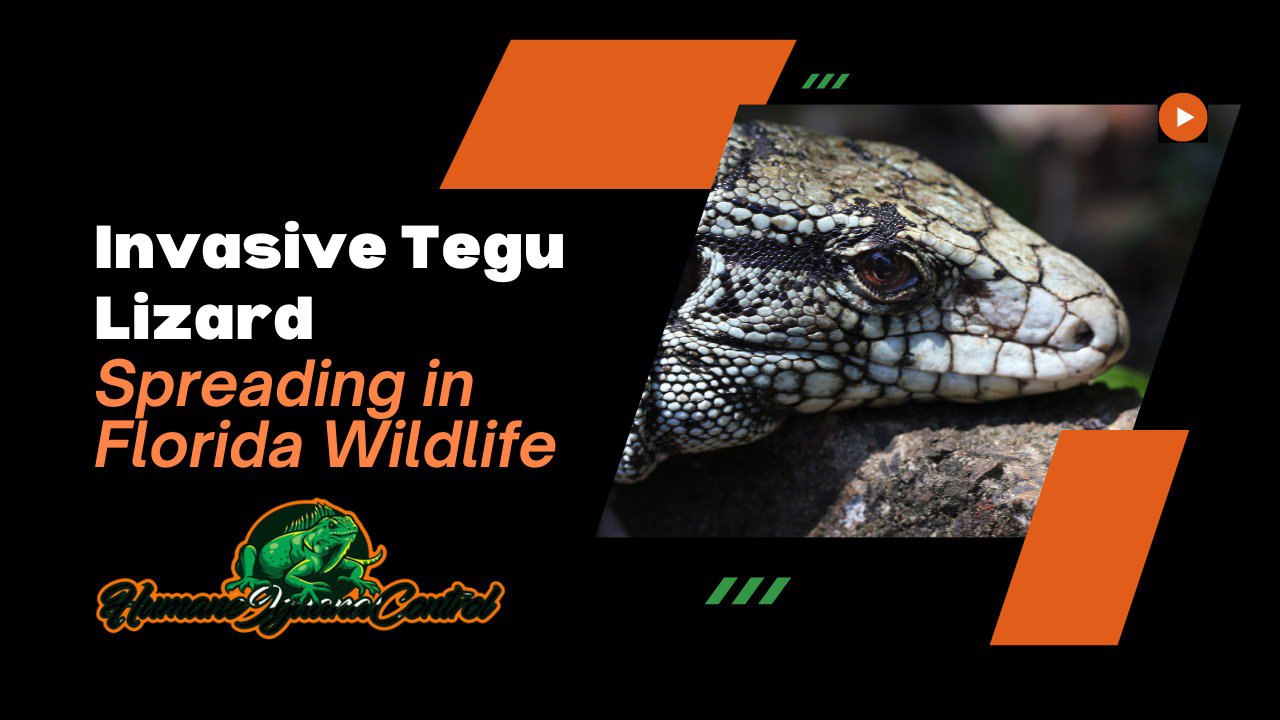
At first glance, the Argentine Black and White Tegu doesn’t look like trouble. It's a stocky, large lizard with a calm expression, striking black-and-white pattern, and a surprisingly curious nature. Some even say they’re "dog-like" in behavior. But in Florida, this reptile, native to South America, isn’t exactly a welcome guest.
Characteristics of the Tegu Lizard
Tegus, particularly the Argentine species (Salvator merianae), are incredibly adaptable. They're omnivorous, meaning they’ll eat… well, just about anything. They will consume fruits, insects, small animals, bird eggs, and even pet food left out on the porch. They’re intelligent too, which is a bit unsettling if you think about how clever an invasive species can become.
Some people have even kept them as pets. That’s probably how things started going sideways. Go figure that man would create the problems, and again, that’s boiled down to greed, ignorance, and just downright laziness.
Where and How The Tegu Lizard Arrived in Florida
No one can say with absolute certainty when the first tegu touched down in Florida’s soil, but pet releases are widely believed to be the main culprit. Someone probably bought a tegu thinking it would stay small and manageable. Spoiler: it didn’t.
Over time, some of these lizards escaped or were set free, maybe intentionally, maybe not, and they started doing what nature programmed them to do: survive and reproduce. Florida’s warm, humid climate turned out to be a near-perfect match for them. With no natural predators nearby, they have successfully established themselves.
Size and Appearance of the Argentine Black and White Tegu

These aren’t tiny geckos you find hanging out on windowsills. Adult Argentine tegus can grow up to four to five feet long, with muscular tails and powerful limbs. They’re thick-bodied and heavy, sometimes weighing over 15 pounds. If you saw one walking through your backyard, you’d probably stop and stare at the back and tail of the invasive Argentine tegu. Maybe take a few steps back.
Their distinctive black-and-white pattern isn’t just for looks—it’s part of what helps them blend into Florida’s dense brush and shaded areas. They’re stealthy in a way that feels… almost too efficient for a non-native species.
Habitat Preferences of the Tegu Lizard Species
Tegus are pretty versatile. They burrow underground to regulate their temperature and hibernate during the cooler months. They will seek cover and food in swamps, forests, and even suburban backyards.
What’s more concerning is that they’re not limited to one environment. Their range has been expanding. They have been expanding their range steadily, albeit slowly.
What makes invasive tegus a concern in Florida?
You might be thinking, “Okay, so we’ve got a few big lizards roaming around. What’s the big deal?” Fair question. The thing is, invasive ones don’t just exist alongside native species; they often outcompete them. They threatened and endangered native species. And that ripple effect can be devastating.
Impact on Native Wildlife and Ecosystems
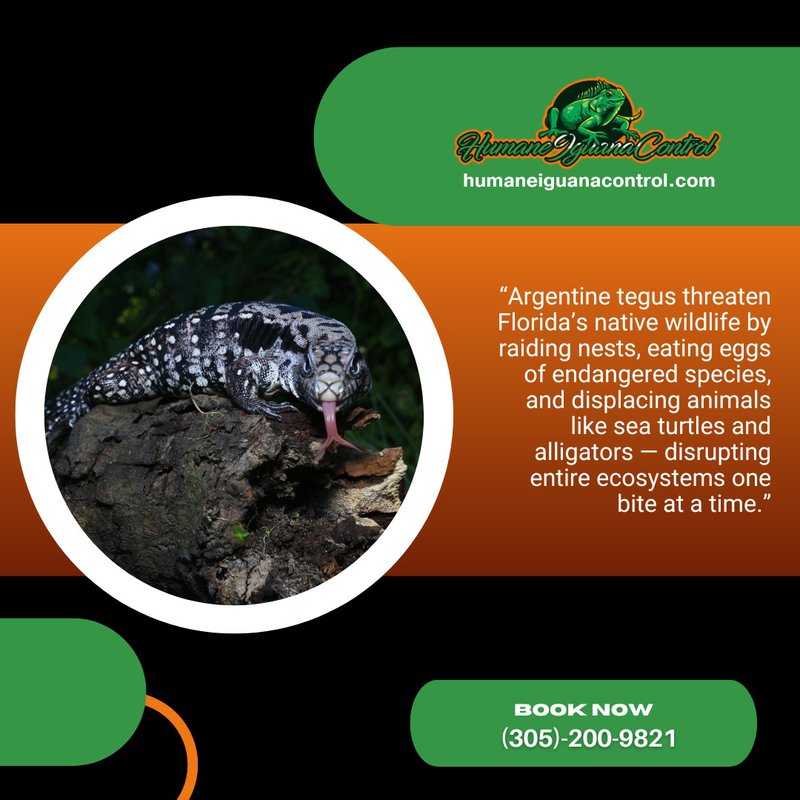
Tegus are opportunistic eaters, and that puts native wildlife in danger. Researchers have caught them raiding the nests of endangered species, such as gopher tortoises and American crocodiles. They eat the eggs and young of ground-nesting birds too.
It’s not just about what they eat; it’s what they displace. When tegus take over a habitat, other animals like sea turtles and the American alligator lose access to resources. Over time, that adds up to declining populations and disrupted breeding cycles.
How Invasive Lizard Species Affect Ecosystem Balance
Florida's ecosystems are delicately balanced. Even small shifts in predator-prey relationships can throw everything off. Tegus, being both predator and competitor, tilt the scales dramatically.
They may not have top-of-the-food-chain status, but they influence who eats what and who survives. Think of it like knocking over a few books in a tightly packed shelf. One small change, and the whole thing starts to lean.
Where Have Invasive Lizards Been Reported in Florida?
The earliest and most frequent tegu sightings came from Miami-Dade County. Since then, they’ve been popping up in Hillsborough, Charlotte, and even as far north as St. Lucie County.
At least a dozen Florida counties have confirmed the presence of tegus thus far. Some of these populations are well-established; others are newer, still under watch. The concern isn’t just about where they are now; it’s where they might be next.
Specific Areas with Significant Tegu Populations
Parts of South Florida—especially around the Homestead area—are considered tegu hot spots. These regions offer ideal conditions: plenty of green cover, consistent warmth, and many food sources.
Once they’ve settled in, they are hard to remove. They dig deep burrows and are adept at avoiding traps. That makes them harder to manage than, say, the occasional python basking along a trail or the green iguanas. It takes professional removal to get these guys. That’s where we come in.
How Is Florida Managing the Invasion?
This isn’t Florida’s first reptile rodeo. Between pythons, iguanas, and now tegus, the state’s wildlife officials have been kept on their toes. Florida’s Fish and Wildlife Conservation Commission (FWC) has been working on it, but honestly, it’s an uphill battle. There’s no silver bullet for invasive species, especially once they’ve established breeding populations.
The Florida Fish and Wildlife Conservation Commission (FWC) works with federal agencies, local governments, and researchers to track, trap, and remove invasive species. Their approach to tegus includes both active removal and public awareness.
They’ve launched targeted trapping programs in key areas. They also monitor movement using GPS-tagged individuals to study how far and fast tegus travel. This method is surprisingly high-tech for controlling lizards, but it is necessary.
Where We Come In: Humane Iguana Control Removes The Tegu Lizard
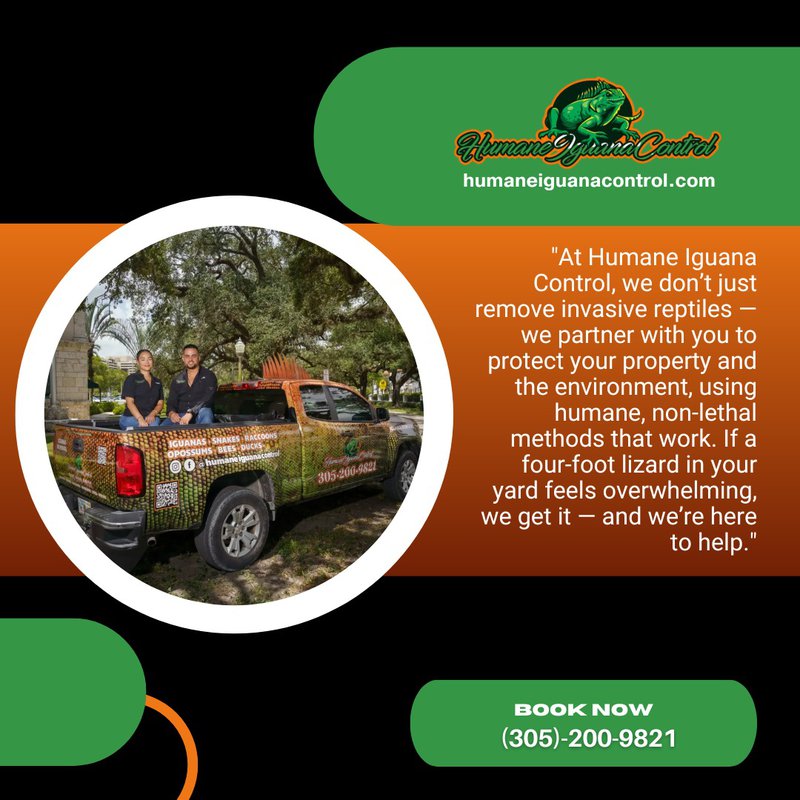
This is where Humane Iguana Control steps in, not just as a service, but as a partner in solving the problem.
We’ve been handling invasive species like iguanas, tegus, and other non-native reptiles for years. Our approach is simple but effective: we use humane and environmentally responsible techniques to locate, remove, and help prevent these animals from returning.
Everything we do is grounded in respect for the environment, for the animals, and for you as the homeowner or property manager dealing with the frustration. It’s easy to feel overwhelmed, or even a little helpless, when you spot a four-foot lizard staring back at you from the yard. We get that. And we’re here to help.
What Exactly Humane Iguana Control Do?
Every tegu situation is a little different, which is why we start with a site inspection. Our trained technicians, many of whom have backgrounds in wildlife biology, assess the layout of your property and look for burrows, nesting signs, and food sources.
From there, we build a custom plan to address the challenges posed by invasive species in Florida. That might involve humane trapping, barrier installation, or vegetation management to make your space less inviting to invasive reptiles. We don’t just show up, set a few traps, and leave. We persist and guarantee the long-term control of the problem.
Oh, and we’re fully licensed and insured, which, believe it or not, not every wildlife control company can say.
What Makes Humane Iguana Control Different?
There are plenty of pest control companies out there. Some even dabble in exotic species. But tegus aren’t your average pest.
What sets us apart is our specialization. We focus solely on invasive reptile control. It’s what we do all day, every day. That means we understand their behavior patterns, their seasonal movement, and how they interact with Florida’s habitats, urban and rural alike.
We’re not just removing a nuisance. We’re helping protect native wildlife and restore balance.
While it may seem minor, we want you to know that we listen. If you’re worried, frustrated, or even just curious, we’re happy to walk you through the process. We don't provide hurried explanations. No scare tactics. There is only clear information and real solutions.
What Should You Do If You See a Tegu?
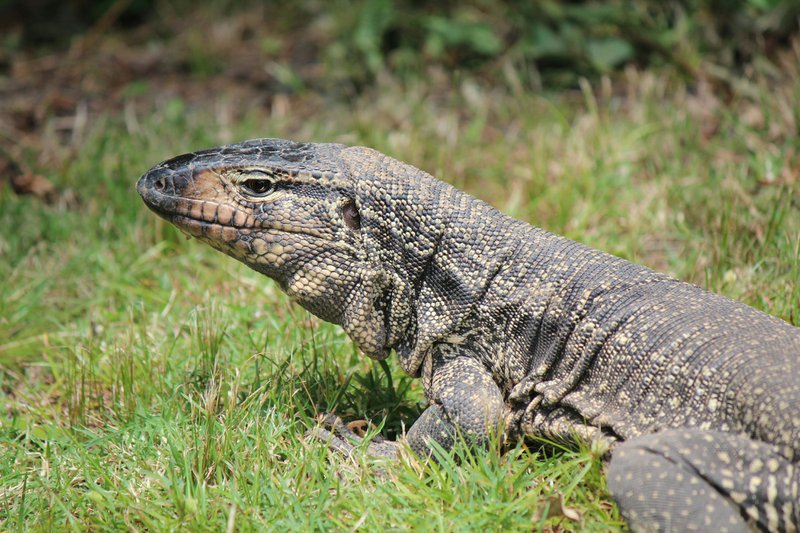
First, don’t panic. They’re not aggressive by nature. But do not try to approach or catch one yourself. Tegus can deliver a strong bite if they feel cornered. And let’s be honest, wrangling a giant lizard probably isn’t how you imagined spending your weekend.
Take note of where you saw it, what time of day, and what it was doing. Then reach out to us at https://wildlife-commander.com/ or give us a quick call at our hotline (305)-200-9821. Even if you're not sure it's a tegu, we can help you identify it.
A quick call or message could be the difference between a one-time visitor and a full-blown backyard invasion.
Final Thoughts
The tegu lizard invasion in Florida is one of those problems that snuck up on us. One day, it’s a weird news headline about an invasive species in Florida taking over local habitats. The next, it’s in your yard, eating the cat’s food and digging up your lawn.
While it's not your fault, it's something you can proactively address with the appropriate support.
At Humane Iguana Control, we believe in being part of the solution. That means offering smart, safe, and ethical ways to handle invasive reptiles before they take over your property or your peace of mind.
If you’re seeing signs, don’t wait. Contact us today. Let's take care of it. Together.
if(window.strchfSettings === undefined) window.strchfSettings = {};window.strchfSettings.stats = {url: “https://content-amplified.storychief.io/en/invasive-tegu-lizard-spreading-in-florida-wildlife?id=1233266781&type=2”,title: “Invasive Tegu Lizard Spreading in Florida Wildlife”,siteId: “253”,id: “4d4f5418-7fc1-4aca-a4b3-f1cc7d885526”};(function(d, s, id) {var js, sjs = d.getElementsByTagName(s)[0];if (d.getElementById(id)) {window.strchf.update(); return;}js = d.createElement(s); js.id = id;js.src = “https://d37oebn0w9ir6a.cloudfront.net/scripts/v0/strchf.js”;js.async = true;sjs.parentNode.insertBefore(js, sjs);}(document, ‘script’, ‘storychief-jssdk’))