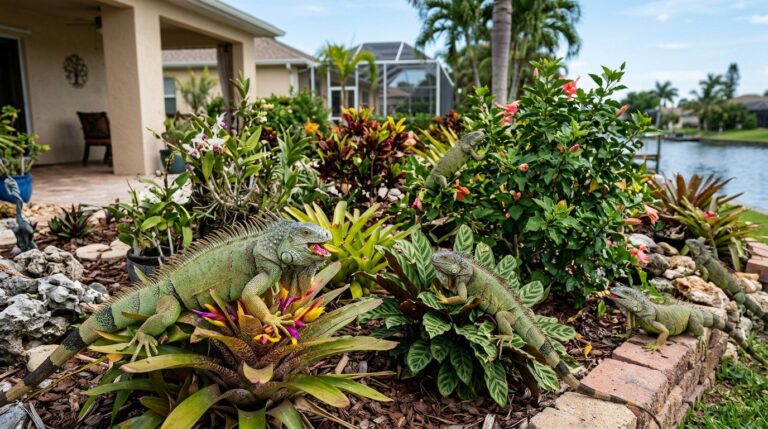
Hospitals are always very busy with new patients, emergencies and constant visitors, but one visitor that no one expects to see are iguanas. You heard that right; big green and orange iguanas in common areas throughout hospitals. They are seen roaming through parking lots and green spaces and even hanging off palm trees. You will find iguanas pretty much anywhere in the hospital grounds.
As iguanas reproduce the problems grow, this includes damages to structures because of burrowing, damages to cars because of iguanas defecating from trees and a potential visit to the hospital while your visiting loved ones from an iguana falling on you during iguana falling season.
We will discuss the problems of having iguanas around hospitals and how corporate headquarters are reaching out to iguana control companies to stop these problems.
https://www.buzzsprout.com/2381593/episodes/16435471
Impacts On Infrastructures
Iguana breeding season is the time a year when these reptiles dig burrows to lay their eggs. They will look for soft dry areas to lay some 30-79 eggs, which will hatch in about 90 days. The issue with iguanas digging burrows is that it can lead to structural damages.
Sidewalks can crack or collapse, especially if a heavy lawnmower passes over the sidewalk since the ground below is hollow. Erosion will also begin impacting these burrows, causing further damage, mostly from irrigation runoff or heavy rainfall. Roads can also be jeopardized due to burrowing, once iguanas dig these long tunnels, the weight of a car or ambulance can easily crack or collapse. Liability to the hospital is another major concern because of burrows causing the ground to be uneven. A person can easily twist their ankle or cause one to fall and be injured. In 2019, iguanas caused an emergency repair to a dam which cost the City of West Palm Beach 1.8 million dollars in repairs. This is one reason iguana removal should be implemented around hospitals.

Can Iguanas In Hospitals Cause Health Issues?
Hospital visitors and staff can experience various health problems because of iguanas. Recognizing these potential risks clarifies why iguanas shouldn’t be near hospitals, ensuring patient safety and health. I’d like to share a couple of these with you.
1. Salmonella Infection: Iguanas are known carriers of Salmonella bacteria. Humans can contract salmonellosis through direct contact with iguanas, their droppings, or contaminated surfaces, leading to gastrointestinal distress and other symptoms.
2. Botulism: Though rare, iguanas can carry Clostridium botulinum, which may cause botulism if transmitted. This condition can lead to severe muscle paralysis and requires prompt medical attention.
3. Bites and Scratches: Iguanas can become aggressive if threatened, leading to bites or scratches. These injuries might become infected if not properly treated, and they can transmit bacteria.
4. Parasites: Iguanas can harbor external parasites like mites and ticks, which may transfer to humans and cause skin irritation or more serious conditions like Lyme disease, depending on the ticks’ species.
5. Allergic Reactions: Some individuals may experience allergic reactions to proteins found in iguana saliva, skin, or droppings, resulting in symptoms like rashes, respiratory issues, or more severe reactions in sensitive individuals.
6. Fecal Contamination: Iguana droppings can contaminate water and surfaces, posing risks not only from Salmonella but also from other pathogens that may thrive in fecal matter, leading to broader environmental health hazards.

Power Outages Are Caused By Iguanas In Hospitals
Although hospitals have backup generators for power outages, it’s still a common problem when iguanas are around. These scaly reptiles are great climbers and can easily climb power lines or end up in electrical rooms, causing power outages. This scenario has appeared on national news quite a few times. Frequent power outages can impact electrical equipment, which is why preventive measures should be implemented to stop these outages. Installing barriers, such as clear wraps around power lines, can prevent iguanas from climbing these electrical poles. If electrical rooms have doors with ventilation screens, installing wire mesh can keep iguanas out. If, for any reason, backup generators fail in a hospital, the consequences can be catastrophic! Iguana pest control is recommended, especially at night, to keep people in hospitals safe.
Impact To Local Wildlife
Native species living on hospital grounds are also affected by invasive iguanas. Green iguanas have an enormous appetite for certain plants, but many native species depend on these plants, fruits, and seeds to survive. Some butterfly species need plants to lay their eggs on, but if iguanas continuously consume these plants, butterflies don’t have a chance to lay their eggs. The Miami Blue Butterfly, an endangered species, has been impacted by iguanas. Iguanas have been documented consuming nickerbean, a common host plant for this butterfly. Native birds nesting on hospital grounds are also affected. As iguanas roam around trees to sunbathe or find shelter, they can accidentally knock down bird nests, causing bird eggs to fall. If Spiny Tail iguanas are present, they may even consume certain bird eggs. These scenarios lead to a decline in native species as they seek other areas to thrive. Iguana control is a crucial service required to preserve native species.

Removing Iguanas From Hospitals
Hospitals are consistently busy, with people coming in and out regularly. However, by incorporating effective iguana control services, managing these invasive creatures can be successful. Iguana trapping is an excellent method for capturing iguanas. Given hospitals’ dense landscaping, traps can be discreetly hidden. Locating and removing iguana eggs is crucial, given their rapid reproduction rate. By identifying burrows and extracting eggs, we help prevent new infestations.
Using pellet rifles for iguana removal on hospital grounds is usually regulated because of liability concerns. Therefore, employing other methods, such as hand captures and pole snares, makes the process smoother and less aggressive. Nighttime iguana removal has proven effective for hospitals, resorts, and schools. Iguanas are diurnal, meaning they sleep in trees and bushes at night. This makes it an ideal time to remove them without disrupting hospital visitors or staff.
Our goal is to remove iguanas effectively to ensure hospital safety.