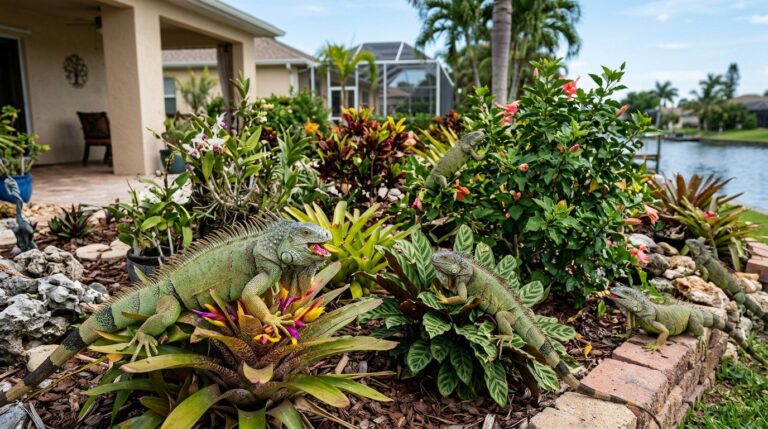
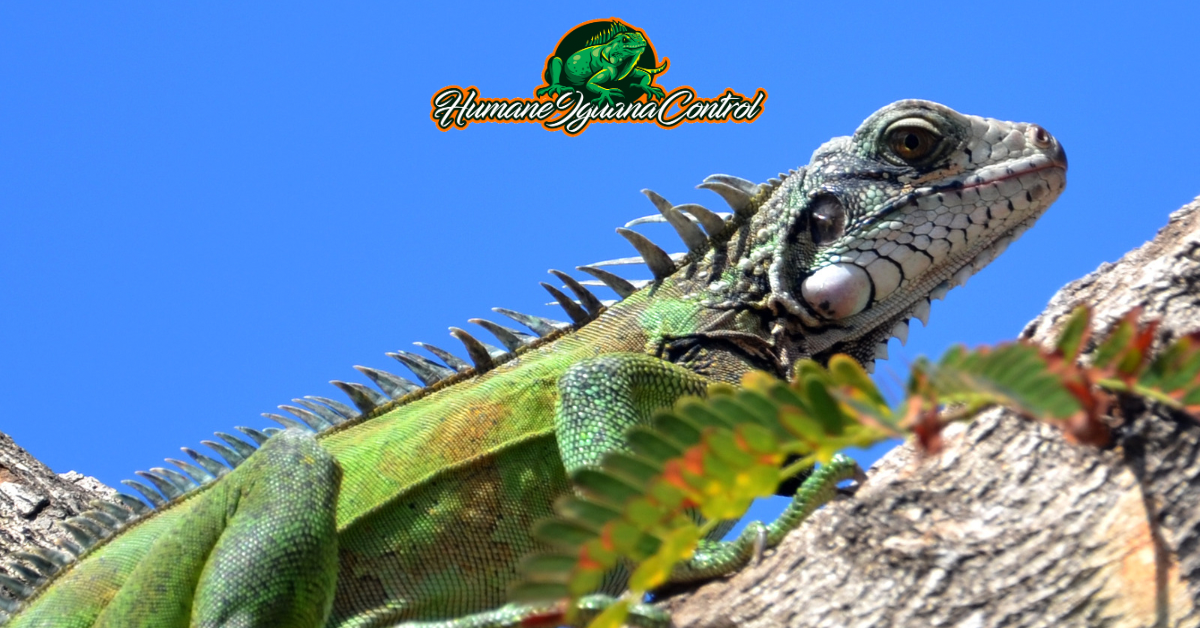
It’s a bird, it’s a plane, nope! It’s a falling iguana. While most states up north enjoy fall colors and blankets of beautiful snow, South Florida is presented with a unique phenomenon: falling iguanas. Yep, it’s a real thing! When temperatures dip into the 40s, these reptiles become immobilized, and they drop from trees. This occurrence is popular and usually makes national news because of the wild situations that come along with falling iguanas. These reptiles can fall on cars, boats, and homes, which can cause serious injury and property damage. Unfortunately, some of these iguanas don’t survive these falls, while others just need a little warmth to become mobile once again.
Why Iguanas Fall From Trees
Iguanas are originally from Central and South America and can thrive in South Florida’s climate. But when winter arrives and the temperatures drop, the iguanas drop as well. Being cold-blooded, iguanas require heat in order to move and survive. Iguanas typically sleep in trees, and when temperatures drop, they lose their grip and end up falling. It happens more often when they sleep on thin branches. Thicker branches can support their bodies, helping to prevent them from falling.
Consequently, this can be a concerning time for South Florida, especially on roads with many trees and high iguana populations, such as Old Cutler Road. In local parks, officials warn visitors about “falling iguanas” and advise against approaching these reptiles, as they may revive when temperatures rise.

Dangers Of Helping Fallen Iguanas
Many residents of South Florida often approach iguanas when they find them on the ground, unaware of potential dangers. Although these reptiles may appear lifeless, they are often just immobilized by the cold weather. Wild iguanas have very sharp nails and teeth that can easily cut through human flesh. It’s crucial to avoid handling iguanas if you lack experience, as they may also carry ticks and bacteria, such as salmonella. If you do handle a fallen iguana, wash your hands thoroughly.

Thinking about bringing iguanas into your car or home to warm up? Reconsider doing that as it is more problematic than you think. In our years in the iguana removal business, we’ve heard horror stories of accidents and frightening situations. Imagine driving with iguanas in your car with the heater on, only to have them suddenly run amok inside your vehicle—definitely not a good idea! The same scenario in your home could also cause chaos. We highly recommend not attempting this.
Preventive Measures
There are many things you can do to avoid bodily harm & property damage. Remember iguanas can grow up to six feet and weigh up to 25 lbs. An iguana that size falling on a human, pet or car can cause serious damage! If you have lots of dense trees, you can have them trimmed back off of your roof and away from driveways, so if one were to fall it would not damage your roof or your vehicle. This goes for swimming pools as well. If an iguana ends up falling during the colder months into your pool while it is immobilized, it can end up drowning which, if it is unnoticed it can contaminate your swimming pool. This has happened in the past and the cleanup can be a messy one. One technique our iguana removal team uses is wrapping trees with our iguana clear tree wrap. This stops iguanas from climbing onto trees, since the material is smooth iguanas cannot grip it. Many properties have been saved from damages by using our clear wrap. Ultimately, you want to have iguanas removed prior to completely avoiding any unnecessary damages or bodily harm to humans and pets. This can be accomplished by iguana trapping.

Safety Tips For Finding Fallen Iguanas
Taking the proper precautions can lead to a successful outcome which will avoid personal injury or health risks. Here are a couple of steps you can take from a professional iguana control expert.
- Assess the Situation Calmly: Approach the fallen iguana with caution. Ensure the area is safe for both you and the iguana, keeping a safe distance initially to observe its behavior.
- Avoid Direct Contact: Use gloves or a towel if you must touch the iguana. Direct skin contact should be avoided to prevent potential bites, scratches, or disease transmission.
- Wear Protective Gear: Thick heavy gloves and long sleeves to protect yourself from unexpected movements or bites when handling the iguana.
- Safely Contain the Iguana: If the iguana needs to be moved, gently cover it with a towel and place it in a sturdy box or container with air holes, ensuring a calm environment.
- Monitor the Iguana’s Condition: Observe the iguana for any signs of distress or injury. Keep it in a sheltered area while out of your home.
- Contact a Professional: Reach out to a licensed iguana removal service to handle the situation safely and humanely. They have the knowledge and tools to care for or relocate the iguana appropriately.
- Prevent Future Occurrences: Consider implementing iguana management strategies around your property to minimize the risk of falling iguanas in the future, such as trimming trees or using safe deterrents.
Insurance Coverage For Iguana Damages
As damages occur throughout the falling iguanas season, it’s important to contact your insurance provider and check if your personal property is covered. Iguanas can easily break windshields when falling from high altitudes and can definitely make a huge dent in cars. It might sound like a 1 in a million occurrence, but an iguana falling through your windshield while you’re driving can actually happen, and it could be very dangerous. This goes as well for personal property such as sculptures, BBQs, and lawn equipment, which is why you should store these items or implement preventive measures, as mentioned previously. Boats in South Florida are also in danger; a 25-pound iguana falling on your boat could cause serious damage. By taking the proper steps to make sure you’re insured or just by taking preventive measures could make all the difference.

Stop Falling Iguanas Now Before Any Incidents Occur
For years, we have helped countless property managers, resorts, businesses, and homeowners prevent damages because of falling iguanas. Our iguana removal services and preventative measures have saved them thousands of dollars and avoided any legal liability repercussions. One service we implement is iguanas trapping around trees where iguanas actively climb to live. We lure them with fresh fruit into the traps, which stops them from climbing during the winter months. As mentioned previously, installing iguana-clear tree wrap deterrents has yielded very promising results. Schools throughout South Florida, especially in Miami-Dade County, have also contacted us to provide iguana removal services & to install these wraps to keep kids and staff safe from falling iguanas. By working together during this wild season, we can stop damages and bodily harm! Contact us today to have a free evaluation to see how we can help.