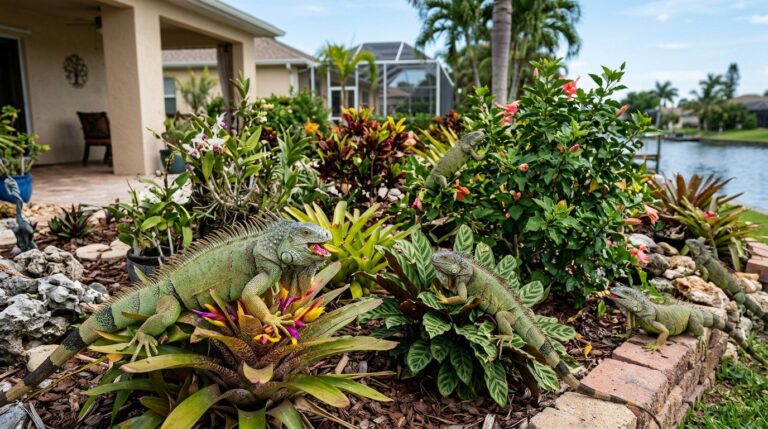
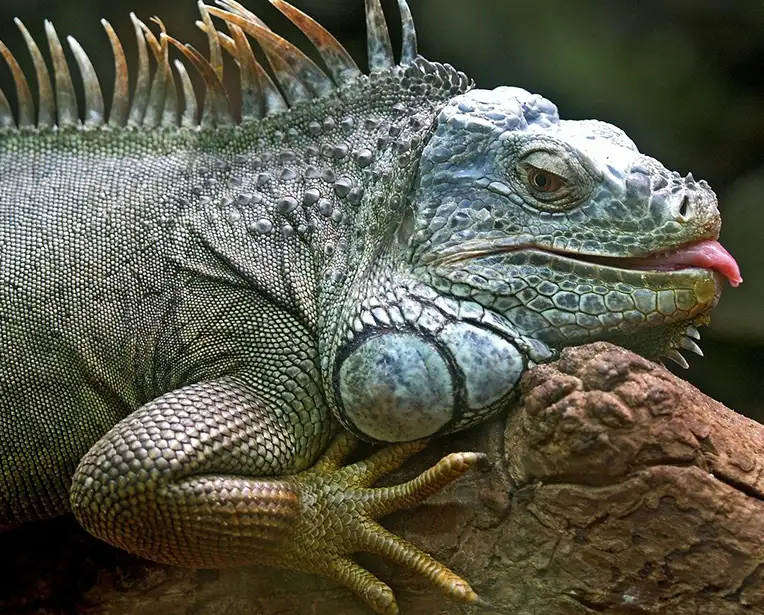
The “Florida Iguana Problem” refers to the surge in non-native iguana populations in Florida, particularly the green iguana (Iguana iguana), which has become an invasive species in the state. Here’s a detailed look at the issue:
Origins: The iguana issue in Florida began with the pet trade. Iguanas, which are native to Central and South America, were brought to Florida as pets. Over time, either through escape or intentional release by pet owners, these reptiles established a presence in Florida’s wild ecosystems.
Ideal Climate: Florida’s warm, tropical climate is ideally suited for iguanas. Mild winters and abundant vegetation provide the perfect environment for these reptiles to thrive. With few natural predators to keep their numbers in check, iguanas have proliferated.
Environmental Impact: Green iguanas are herbivores that consume a vast array of plants. Their voracious appetites can lead to the decimation of native flora, impacting native fauna that relies on these plants. They can also cause soil erosion by digging burrows, which can compromise infrastructures like sidewalks, foundations, and seawalls.
Economic Impact: The presence of iguanas has led to increased costs for homeowners and businesses. These reptiles can damage landscapes, gardens, and infrastructures. Moreover, they often defecate in swimming pools and populated areas, leading to sanitation concerns.
Threat to Native Species: Iguanas can also pose a threat to native wildlife. They might eat bird eggs and displace native species by occupying burrows and nesting areas. This can disrupt local ecosystems and biodiversity.
Human-Iguana Conflicts: As iguana populations have grown, so too have encounters between these reptiles and humans. Iguanas can sometimes become aggressive, especially during the breeding season. They may pose risks to pets and can transmit salmonella to humans.
Management and Control: Due to the growing concerns associated with the iguana population, there have been efforts to manage and control their numbers. These include educating the public about the risks of releasing pet iguanas into the wild, promoting humane removal methods, and researching sterilization techniques.
Legal Considerations: As of my last update in 2022, the Florida Fish and Wildlife Conservation Commission (FWC) encourages homeowners to humanely remove iguanas from their property if they’re causing damage. However, it’s essential to ensure that the removal is done humanely and in accordance with local regulations.
In conclusion, the Florida iguana problem is multifaceted, involving ecological, economic, and public health concerns. Addressing the issue requires a combination of public awareness, research, and effective management strategies to ensure a balance between human needs and environmental protection.
Iguana Removal In Florida
The Florida Fish and Wildlife Conservation Commission (FWC) considers iguanas an invasive species and encourages residents and property owners to take responsibility for managing them. The FWC provides guidance on humane trapping and removal methods, as well as safety protocols to follow when dealing with iguanas.
Although the FWC does not offer financial incentives or reimbursement programs for iguana removal, it does permit the use of certain methods to control their populations. These methods include property owners or designated individuals trapping and humanely euthanizing iguanas on their property.
Iguana Removal Programs In Florida
It is worth noting that some cities or counties in Florida have local programs or partnerships that may provide limited funding or assistance in iguana removal efforts. For example, in certain areas, local wildlife conservation organizations or government agencies may offer reduced-cost or subsidized trapping services or educate residents on effective removal techniques.
To address iguana issues on private properties, property owners are generally responsible for managing iguanas within their premises. It is advised to consult with professional wildlife removal services or experienced pest control companies that specialize in iguana removal. These professionals can help assess the situation and provide appropriate solutions, taking into consideration the most effective and humane ways to manage the iguana population.
Property owners may also consider implementing deterrent strategies, such as modifying landscaping to make properties less attractive to iguanas, removing potential food sources, or installing physical barriers like fences or mesh screens to prevent their entry. In summary about does Florida pay for iguana removal , while Florida does not directly offer financial compensation for iguana removal, the state acknowledges the issue of iguana overpopulation and provides guidance on managing them. The Florida Fish and Wildlife Conservation Commission (FWC) encourages property owners to take responsibility for trapping and humanely euthanizing iguanas on their property. Some cities or counties may have local initiatives that offer limited funding or assistance in iguana removal efforts. Property owners can consult with wildlife removal professionals or pest control companies to develop the most effective and humane strategies for managing iguanas on their properties.