Introduction:
Iguanas have captivated the interest of many as fascinating creatures and have found their way into households as popular pets across various parts of the world. Yet, in regions where they have been either introduced or have escaped into the wild, these reptiles have rapidly become a problematic invasive species, presenting substantial threats to ecosystems, native wildlife and they are also affecting our economy. In this article, we share the critical significance of iguana removal and the pivotal role it plays in safeguarding biodiversity and maintaining ecological balance. Together, we’ll explore the reasons why addressing the invasive iguana population is essential for the overall well-being of the environment in South Florida.

Environmental Impact:
Iguanas, particularly Green iguanas, Mexican Spiny tail iguanas and the Black spiny tail iguana, have been introduced to various regions, including South Florida. As a non-native species to South Florida, they can cause substantial environmental damage. Here are some reasons why iguana removal is very important in our region.
- Displacement of Native Species: The presence of invasive iguanas often initiates competition with indigenous reptiles and birds for essential resources like food, nesting sites, and territory. Some of the native species affected by iguanas are the burrowing owl, Miami blue butterfly & gopher tortoise. This struggle for survival can result in the gradual decline of native populations, disrupting the ecological balance.
- Vegetation Destruction: Iguanas, being primarily herbivorous, have a broad diet that includes various plants, notably comprising native vegetation. Their overgrazing habits can have a profound impact on the local plant community, leading to significant disruption and imbalance within the ecosystem.
- Burrowing Damage: Iguanas are known to engage in extensive burrowing activities, a behavior that can pose a threat to the stability of critical infrastructure such as roads, sidewalks, and seawalls. The consequential impact includes the potential for costly repairs and safety concerns, emphasizing the need for effective management of iguana populations.

2. Disease Transmission:
Iguanas, like other reptiles, can harbor and potentially transmit diseases. Some infections can affect not only other reptiles but also other animals and even humans. By removing iguanas from areas where they are invasive, we reduce the risk of disease transmission and protect public health.
- Health Risks: Invasive iguanas, like other reptiles, can serve as carriers of various diseases, some of which have the potential to spread to other animals, including humans. By controlling and reducing the population of invasive iguanas, we can mitigate the risk of disease transmission, thus safeguarding public health and well-being.
- Zoonotic Potential: Some diseases carried by invasive iguanas have zoonotic potential, meaning they can be transmitted to humans. By addressing the population of invasive iguanas, we mitigate the risk of zoonotic diseases being spread, ultimately protecting human health.
- Ecosystem Health: Disease transmission from invasive iguanas can have cascading effects on the overall health of an ecosystem, impacting the resident fauna, flora, and even the balance of natural ecological processes. Managing the population of invasive iguanas helps to reduce disease transmission, thereby contributing to the ecological health and harmony of the affected habitats.
3. Mitigating Economic Losses:
In areas where iguanas have become problematic, their presence has been linked to substantial economic losses. For instance:
- Damage to Agriculture: Iguanas are notorious for causing significant damage to a variety of crops, including fruits, vegetables, flowers, and ornamental plants. This agricultural impact can directly affect local farmers’ livelihoods and contribute to broader economic repercussions within the agricultural industry.
- Tourism Impact: Invasive iguanas can have a detrimental impact on tourism in affected areas. Their overabundance or aggressive behavior may deter visitors, leading to potential revenue losses for businesses reliant on tourism. By addressing the invasive iguana population, we can help protect the tourism industry and support local economies.
- Infrastructure Costs: Invasive iguanas burrowing activities can have adverse effects on infrastructure, such as roads, seawalls, drainage systems, and buildings, leading to costly repairs and maintenance. Implementing measures to manage the invasive iguana population can help mitigate these infrastructure-related economic burdens, ultimately benefiting local communities and businesses.
- Power outages: Invasive iguanas, known for their excellent climbing abilities, can pose a threat to power infrastructure. Their presence in urban and suburban areas increases the risk of iguanas coming into contact with power lines and transformers, potentially causing power outages. This disruption not only inconveniences residents but also leads to financial losses for utility companies, as well as potential safety hazards. By addressing the invasive iguana population, we can mitigate the risk of power outages and their associated economic and safety impacts.
4. Homeowners and Business Expenses: The presence of iguanas in residential and commercial areas can lead to significant stress and financial burdens. Additionally, there are health risks associated with iguana feces, further adding to the concerns and potential costs for homeowners and businesses.
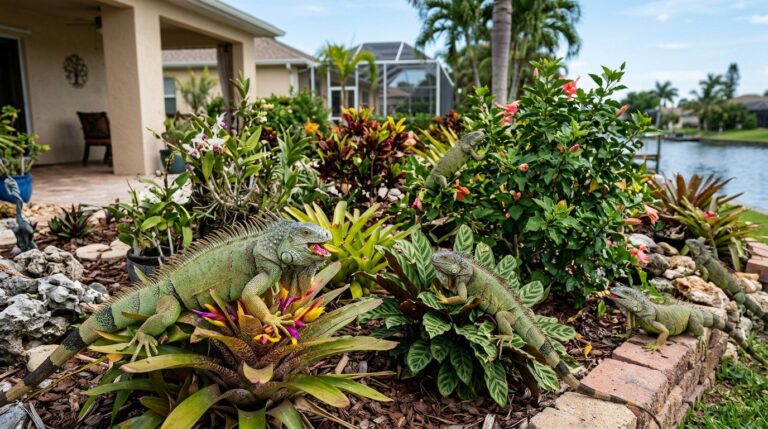
- Landscaping: Iguanas can be costly for homeowners due to their herbivorous nature, as they often consume tropical plants. The need to replace damaged plants can be frustrating and financially burdensome for those striving to maintain a beautiful home landscape.
- Pool Service: The presence of iguanas in swimming pools is a common occurrence, posing several issues. Iguanas may become trapped in pool skimmers or, unfortunately, perish in the pool if they are unable to find their way out. Consequently, frequent calls to pool service companies for cleaning and sanitation can become a significant expense for homeowners.
- Iguana defecation: The droppings of iguanas are frequently found in areas such as swimming pools, roofs, and playgrounds. Health hazards are associated with iguana feces, possibly leading to salmonella poisoning. Moreover, pets may be at risk of illness if they come into contact with iguana feces, resulting in expensive veterinary visits. If left unaddressed, this issue can persist and lead to ongoing financial and health concerns.
4. Falling Iguanas in South Florida:
During periods of colder weather in South Florida, iguanas, which are ectothermic (cold-blooded), can become immobile and fall from trees. This unique phenomenon can lead to various impacts, including:
- Property Damages: Iguanas falling from trees can cause property damages, especially to vehicles, roofs, and landscaping. This can result in costly repairs and inconvenience for homeowners and property owners.
- Bodily Harm: The unexpected fall of iguanas can pose a risk of bodily harm to individuals who may be in the vicinity. The impact of a falling iguana can cause injury, especially if it lands on a person.
- Dangers to Pets: Pets may be at risk of encountering falling iguanas during cold snaps, potentially leading to injuries or undue stress. The presence of falling iguanas can also disrupt outdoor activities for pets, impacting their well-being and safety.

Final Thoughts On Why Iguana Removal Is Needed:
Iguana removal is an essential step in preserving biodiversity, protecting native species, and safeguarding ecosystems from the detrimental effects of invasive species. By actively managing and controlling iguana populations, we can restore ecological balance, mitigate environmental damage, reduce economic losses, and ensure the well-being of our environment and communities. It is crucial to work with local authorities, wildlife organizations, and experts who can provide guidance on humane and effective methods of iguana removal, ensuring a harmonious coexistence between humans, native wildlife, and the environment.
To find out more about our Iguana removal services contact us.